
Snap-in dentures, also known as implant-retained overdentures, are removable prosthetics that attach securely to dental implants anchored within the jawbone. Unlike traditional dentures relying on suction or adhesives, these appliances utilize locator attachments for maximum stability during eating and speaking. Candidacy depends on jawbone density, gum health, overall medical history, and a thorough oral evaluation by a qualified denturist.
Living with missing teeth or loose removable prosthetics can severely impact chewing efficiency, speech clarity, and daily confidence. Traditional appliances often slip or irritate delicate gum tissues over time as the underlying bone changes shape. To solve these friction and retention challenges, many patients turn to implant-supported overdentures. Understanding how these prosthetics work helps patients choose the right solution for long-term oral health. When exploring advanced tooth replacement options in Ontario, visiting a dedicated denture clinic in Cornwall provides expert guidance tailored to individual clinical needs.
What Are Snap-In Dentures?
Snap-in dentures are customized dental appliances that combine removable acrylic prosthetics with permanent dental implant technology. Surgical titanium posts act as artificial tooth roots, while mating receptors inside the prosthetic base snap firmly onto corresponding implant abutments, providing exceptional retention, stability, and natural oral function.
How Do Snap-In Dentures Work?
Implant Placement Phase
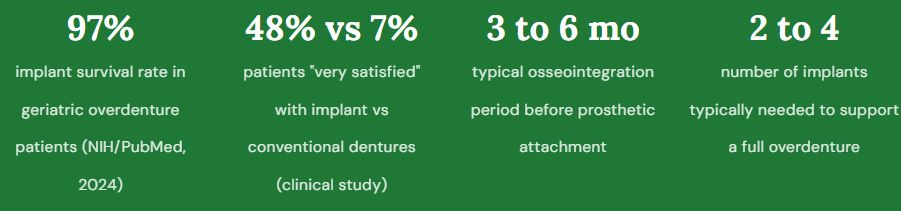
The process begins with surgically embedding two to four titanium implant posts into the upper or lower jawbone. Over three to six months, osseointegration occurs as natural bone tissue fuses around the implants to create a permanent foundation.
Attachment and Coupling Mechanism
Special locator abutments are secured onto the tops of the integrated implants. Microscopic retention caps mounted inside the acrylic denture base snap directly over these abutments, locking the appliance in place while allowing easy removal for cleaning.
💡During Osseointegration
The three to six month healing period after implant placement is not lost time. Your denturist will fit you with a temporary appliance during this phase so you are never without teeth. Use this period to practice gentle chewing habits and attend all scheduled follow-up appointments so your denturist can monitor healing progress before the final prosthetic is fitted.
Who Is a Candidate for Snap-In Dentures?
Key Candidacy Factors
Evaluating snap-in dentures eligibility requires assessing several critical oral and medical factors.
Bone Density and Structural Support
Sufficient jawbone tissue is essential to anchor titanium implants securely against masticatory forces. Your denturist will use 3D imaging to assess bone volume at the planned implant sites before any surgical planning begins.
Periodontal and Systemic Health
Healthy gum tissue free of active infection and controlled medical conditions ensure proper post-surgical healing. Conditions such as uncontrolled diabetes or active periodontal disease need to be addressed before implant placement is considered.
Managing Low Jawbone Density
Patients experiencing significant bone resorption following long-term tooth loss can still become candidates. Preliminary procedures like bone grafting or mini implant configurations help rebuild bone structure or utilize existing bone efficiently.
⚠️ Do Not Assume You Are Not a Candidate
Many patients who have worn conventional dentures for years assume significant bone loss automatically disqualifies them from implants. This is not always true. Bone grafting, sinus lifts, and mini implant designs have made implant-supported options accessible to a much wider range of patients than was possible a decade ago. Only a 3D imaging assessment by a qualified denturist can confirm your actual bone volume and identify the right approach for your anatomy.
Benefits of Implant-Retained Dentures
- Exceptional Stability: Eliminates painful sliding, clicking, and slipping while talking or chewing.
- Preservation of Jawbone: Implant posts stimulate natural bone tissue to prevent vertical bone loss.
- Enhanced Comfort: Uncovers the upper palate in horseshoe designs to restore natural taste sensation.
- Removable Hygiene: Combines firm retention with easy removal for nightly soaking and oral care.
Snap-In Dentures vs Traditional Dentures
Comparing structural features helps explain why implant retention delivers superior functional support.
| Feature | Snap-In Dentures | Traditional Dentures |
| Primary Support | Titanium dental implants | Gums and alveolar ridge |
| Stability Level | Exceptional snap retention | Moderate suction, prone to slip |
| Chewing Ability | High biting and chewing force | Limited force, restricted diet |
| Jawbone Health | Stimulates and preserves bone | Accelerates bone resorption over time |
| Upper Palate | Open horseshoe design optional | Full palate acrylic coverage |
The Snap-In Denture Fitting Process
Assessment and Surgical Planning
Your denturist performs 3D imaging and detailed oral examinations to plan precise implant positioning. This stage determines how many implants are needed, whether bone grafting is required, and what attachment system suits your anatomy best.
Fabrication and Final Delivery
Following surgical healing and osseointegration, precise digital impressions are captured. The customized prosthetic is fabricated, fitted with snap matrix inserts, and adjusted for balanced occlusion and optimal bite alignment.
Snap-In Dentures Cost Considerations
Total treatment costs depend on the required number of implants, diagnostic 3D scans, bone grafting needs, and prosthetic materials. While initial investment is higher than traditional appliances, preserved bone structure and long-term durability provide significant value. Qualified patients in Ontario can explore coverage assistance through the federal Canadian Dental Care Plan to help manage costs.
Caring for Snap-In Dentures and Maintenance
Daily Hygiene Routine
Remove the prosthetic nightly and brush all surfaces with a soft denture brush and specialized cleaner. Gently clean around exposed implant locator abutments using a soft toothbrush to prevent plaque accumulation around the implant sites.
Professional Maintenance
Over time, internal rubber retention caps wear down from daily snapping. Your denturist can easily replace these caps during routine checkups to maintain strong snap retention.
Quick Eligibility Checklist
- Missing multiple or all teeth in upper or lower arches.
- Seeking stable denture retention without messy adhesives.
- Adequate jawbone mass or openness to bone augmentation if required.
- Committed to maintaining daily oral hygiene and regular professional visits.
Frequently Asked Questions
What are snap-in dentures?
Snap-in dentures are implant-supported prosthetics that snap onto implants placed in the jawbone for firm, reliable retention without adhesives or suction dependency.
How do snap-in dentures work?
They utilize specialized locator abutments attached to dental implants that clip into matching receptors inside the prosthetic base, locking the appliance securely in place during eating and speaking.
Who qualifies for snap-in dentures?
Candidates are adults with adequate bone volume, healthy gums, and good general health seeking stabilized dental prosthetics. Patients with low bone density may still qualify after bone grafting or with mini implant configurations.
Can you sleep with snap-in dentures?
No, snap-in dentures should be removed nightly to clean the appliance and allow underlying gum tissues and implant sites time to rest. Overnight removal also extends the life of the retention caps.
Final Thoughts on Snap-In Dentures
Having snap-in dentures explained demonstrates how combining dental implant technology with removable prosthetics resolves instability and chewing difficulties. Scheduling a professional assessment with your denturist is the best way to determine if implant-retained overdentures suit your lifestyle and dental health goals.